Alfred Kubin: The Aesthetic of Evil
Kubin’s eerie, unsettling illustrations reveal his preoccupation with the world’s evils
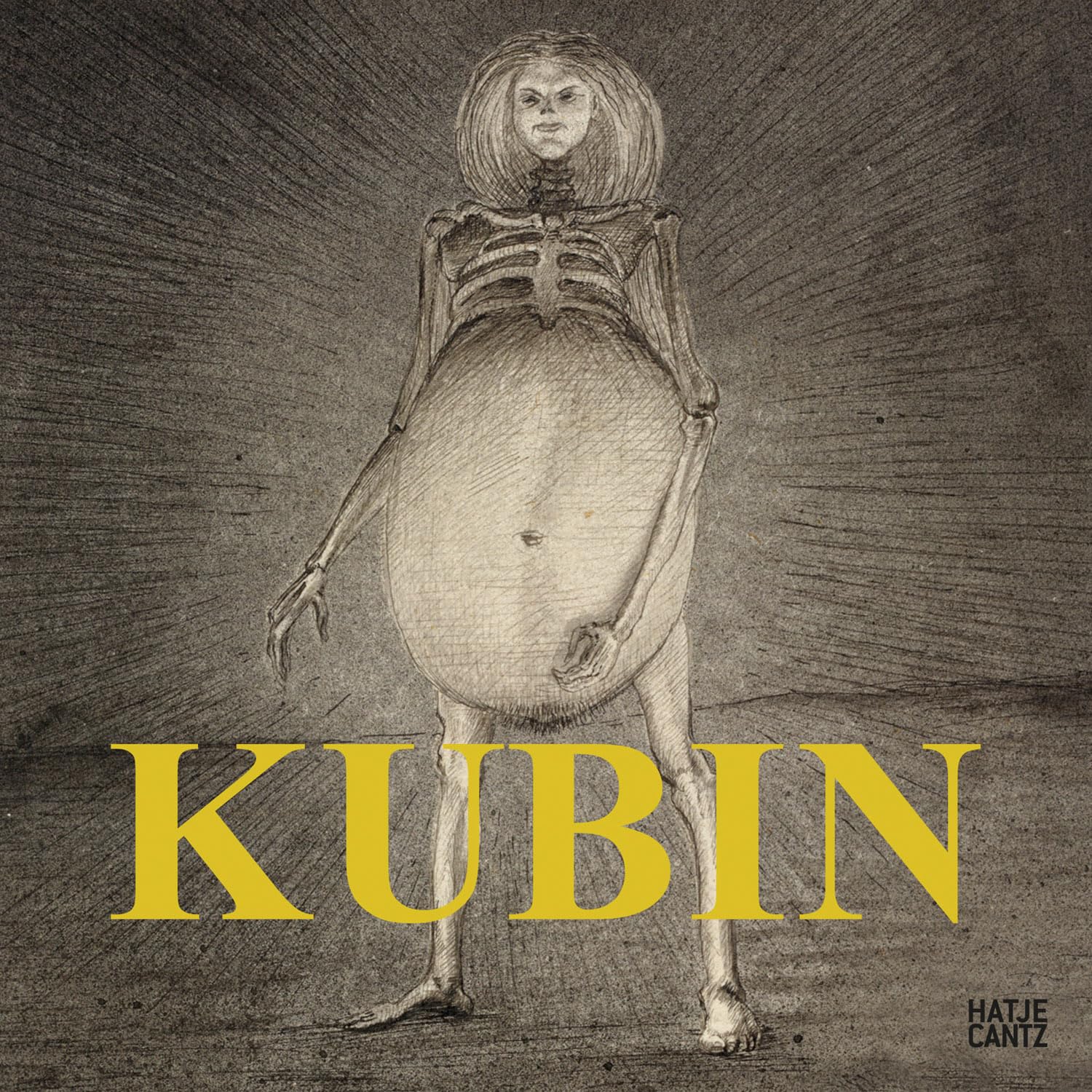
For Austrian artist Alfred Kubin (1877–1959), evil was intrinsic to his life and work. After a traumatic childhood growing up in Zell am See and subsequent mental crises, he began his artistic training in Munich in 1898. He processed his nightmares and obsessions in a large number of fantastical drawings. His subjects, perpetually pessimistic, remain relevant a century later: war, famine, pestilence, death and every horror in between. Kubin had a pronounced fear of the feminine, sexuality, night time and of being at the mercy of fate, all of which visited him in uncanny dreams. For Kubin, the aesthetic of evil proved to be the antithesis of the idyll: the deliberate suppression of a hideous reality.
Drawn from the Albertina Museum’s collection of over 1,800 drawings by the artist, The Aesthetic of Evil displays Kubin’s grotesque vision as well as his superb draftsmanship. Amid the violent, haunting atmosphere of his graphic works it is easy to see how Kubin became trapped in his dark visions, to the point where the inexhaustible, intangible specter of evil consumed his life. Essays by Elisabeth Dutz, Natalie Lettner and Brigitte Holzinger explore Kubin’s cosmos of the sinister: his personal iconography of evil fueled by his nightmares and obsessions.
- Publisher : Hatje Cantz (November 12, 2024)
- Language : English
- Hardcover : 224 pages
- ISBN-10 : 3775757732
- ISBN-13 : 978-3775757737
- Item Weight : 2.2 pounds
- Dimensions : 9.75 x 9.75 inches
Product Information
Product Information
Shipping & Returns
Shipping & Returns
Description
Kubin’s eerie, unsettling illustrations reveal his preoccupation with the world’s evils
For Austrian artist Alfred Kubin (1877–1959), evil was intrinsic to his life and work. After a traumatic childhood growing up in Zell am See and subsequent mental crises, he began his artistic training in Munich in 1898. He processed his nightmares and obsessions in a large number of fantastical drawings. His subjects, perpetually pessimistic, remain relevant a century later: war, famine, pestilence, death and every horror in between. Kubin had a pronounced fear of the feminine, sexuality, night time and of being at the mercy of fate, all of which visited him in uncanny dreams. For Kubin, the aesthetic of evil proved to be the antithesis of the idyll: the deliberate suppression of a hideous reality.
Drawn from the Albertina Museum’s collection of over 1,800 drawings by the artist, The Aesthetic of Evil displays Kubin’s grotesque vision as well as his superb draftsmanship. Amid the violent, haunting atmosphere of his graphic works it is easy to see how Kubin became trapped in his dark visions, to the point where the inexhaustible, intangible specter of evil consumed his life. Essays by Elisabeth Dutz, Natalie Lettner and Brigitte Holzinger explore Kubin’s cosmos of the sinister: his personal iconography of evil fueled by his nightmares and obsessions.
- Publisher : Hatje Cantz (November 12, 2024)
- Language : English
- Hardcover : 224 pages
- ISBN-10 : 3775757732
- ISBN-13 : 978-3775757737
- Item Weight : 2.2 pounds
- Dimensions : 9.75 x 9.75 inches